

Words are powerful. They can build up or tear down. They can heal or wound. They can make a marriage flourish or wither.
And after years of studying marriages, I’ve found something remarkable: happy marriages share one common trait. They know how to speak kindly to each other.
Not just sometimes. Not just when things are easy. But consistently, intentionally, and deliberately 鈥?kind words are the norm in their relationship.
Why does this matter so much? And how can you cultivate kind speech in your own marriage?
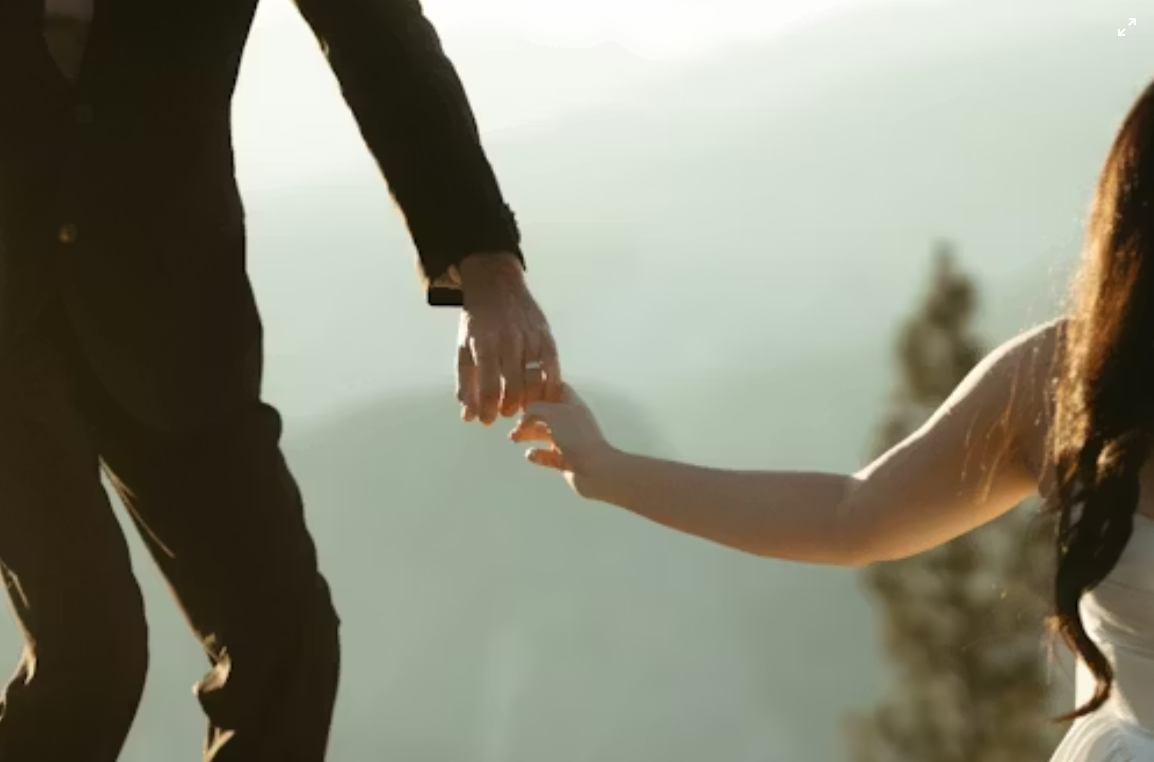
The Power of Words in Marriage
Before we dive into how to speak kindly, let’s explore why it matters so much.
Words Create Reality
Words don’t just describe reality 鈥?they create it. When you speak kindly to your partner, you’re creating a reality of love, respect, and appreciation. When you speak harshly, you’re creating a reality of conflict, resentment, and distance.
This is why kind words are so powerful. They literally create the marriage you’re living in.
Words Affect How Partners Feel
Words have a direct impact on how your partner feels. Kind words make them feel loved, valued, and secure. Harsh words make them feel hurt, rejected, and anxious.
And these feelings affect behavior. Partners who feel loved are more likely to be loving. Partners who feel hurt are more likely to be defensive or withdrawn.
Words Accumulate Over Time
Words accumulate. Kind words build up a reserve of goodwill that can carry you through hard times. Harsh words build up a reserve of resentment that can poison the relationship.
So the words you speak today are shaping the marriage you’ll have tomorrow.

How Happy Couples Speak Kindly
So what does kind speech look like in happy marriages? Here are the patterns I’ve observed:
1. They Express Appreciation Daily
Happy couples don’t wait for special occasions to express appreciation. They express it daily. They say things like:
- “Thank you for making coffee for me this morning.”
- “I really appreciate how hard you worked today.”
- “You’re amazing, you know that?”
These small expressions of appreciation create a culture of gratitude in the marriage.
2. They Speak with Softness
Happy couples speak softly to each other 鈥?even in disagreement. They don’t yell. They don’t use harsh tones. They modulate their voices to convey care, even when discussing difficult topics.
This is a choice. And it’s one that happy couples make consistently.
3. They Use “I” Statements
Happy couples express their feelings without attacking their partner. They say “I feel hurt when…” instead of “You always hurt me.” They take responsibility for their own feelings while inviting their partner to understand.
4. They Build Each Other Up
Happy couples are each other’s biggest cheerleaders. They praise each other’s efforts. They celebrate each other’s wins. They remind each other of their strengths.
5. They Speak About Their Partner Positively to Others
Happy couples speak kindly about their partner 鈥?not just to them, but about them. They don’t badmouth their spouse to friends or family. They protect their partner’s reputation.
Breaking Unkind Patterns
If your speech patterns aren’t kind, know this: you can change them. But changing how you speak takes awareness and effort.
Step 1: Notice Your Patterns
Start by noticing how you speak to your partner. When are you most likely to be unkind? What triggers harsh words?
Common triggers include:
- Stress
- Feeling unheard
- Fatigue
- Past resentments
Step 2: Pause Before Speaking
When you feel triggered, pause. Take a breath. Ask yourself: How do I want to speak in this moment? What kind of words do I want to create?
This pause can make all the difference.
Step 3: Practice Kind Words
Start practicing kind words intentionally. Make it a habit to express appreciation daily. Look for opportunities to build your partner up.
The more you practice, the more natural it becomes.

The Healing Power of Kind Words
Here’s something remarkable: kind words can heal even the deepest wounds in a marriage.
I’ve seen couples on the brink of divorce turn their marriage around simply by changing how they speak to each other. By choosing kind words over harsh ones. By expressing appreciation instead of criticism.
The healing doesn’t happen overnight. It happens gradually, as kind words accumulate and replace the harsh ones. But it happens.
The Science Behind It
Research shows that kind words trigger the release of oxytocin, the bonding hormone. This creates feelings of trust, safety, and connection. And these feelings counteract the fear and defensiveness that harsh words trigger.
So kind words don’t just feel good 鈥?they’re biologically healing.
For Young Couples: Start Kind
If you’re young and just starting your marriage, start kind. Don’t assume that harsh words are normal or acceptable just because other couples speak that way.
Set the standard early. Let kind words be the foundation of your communication. And when you slip 鈥?because you will 鈥?acknowledge it and recommit to kindness.
The habits you establish now will shape your marriage for decades.
For Middle-Aged Couples: It’s Not Too Late
If harsh words have become the norm in your marriage, it’s not too late to change. But it will take conscious effort. Consistent, deliberate effort.
Start by noticing. Then pause. Then speak with intention. And give it time.
Kind words can heal even the most wounded marriage. It just takes patience and persistence.
The Choice Is Yours
Every word you speak to your partner is a choice. You can choose kindness or harshness. You can build up or tear down. You can create a marriage of love or one of conflict.
Happy couples choose kindness. Consistently. Deliberately. And with intention.
You can too.
So today, choose kind words. Choose to build up your partner. Choose to create a marriage of love and appreciation.
And watch as those kind words transform your marriage 鈥?one word at a time.