
Frequent work travel can make a relationship feel as if it is always adjusting. One partner is packing, catching flights, sleeping in unfamiliar rooms, and moving through a demanding schedule. The other is keeping ordinary life running at home, often carrying responsibilities that are usually shared.
I believe distance itself is not always the greatest threat to closeness. The larger problem is the story each person begins to tell about the distance. The partner at home may think, “I am handling everything alone.” The traveling partner may think, “Nothing I do is enough to stay involved.”
A couple cannot make frequent travel feel exactly like being together. They can, however, build habits that create reliability, affection, and teamwork across the distance.
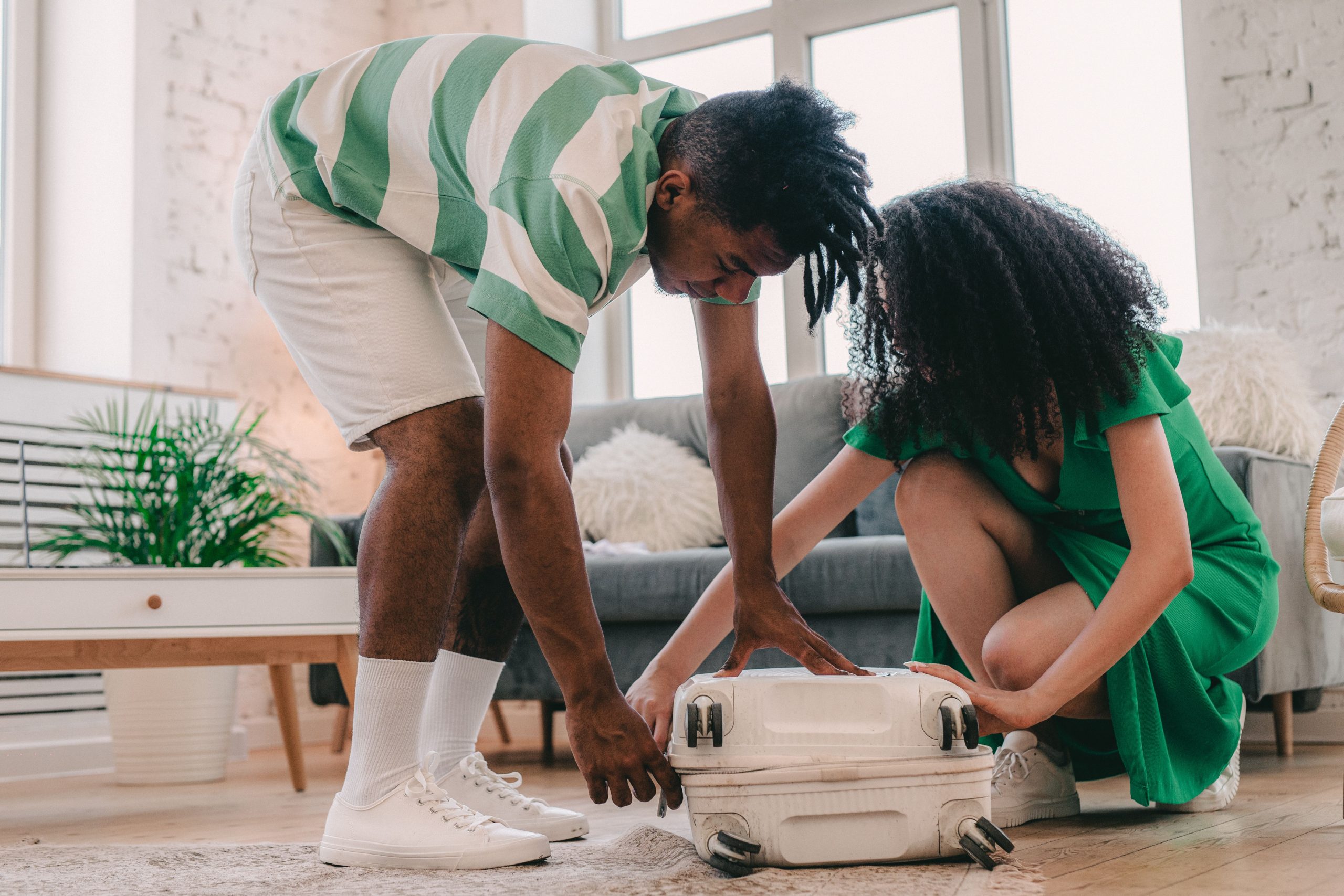
Recognize That Travel Affects Both Partners
The person traveling may face early departures, delayed flights, unfamiliar beds, long meetings, and pressure to remain professional while exhausted. Even a comfortable hotel can feel lonely after several days away.
The partner at home has a different burden. They may manage meals, errands, household decisions, children, pets, and unexpected problems without the usual support. Friends may assume the traveling partner is having an exciting time, which can make the person at home feel even less understood.
Neither experience cancels the other. Closeness begins when both partners can say, “This is difficult in different ways for each of us.”
Plan the Home Logistics Before Departure
Romantic connection becomes harder when practical details are unclear. Before a trip, review what needs to happen at home and what the traveling partner can still manage from a distance.
Discuss:
- Childcare, school, or family commitments
- Appointments, deliveries, and household repairs
- Bills or decisions that may arise during the trip
- Emergency contacts and travel details
- Tasks that can be completed before leaving
- Responsibilities the traveling partner can handle online
This conversation should not sound like one partner assigning work to the other. It is a shared review of the life both people are responsible for maintaining.
Agree on a Realistic Communication Rhythm
Some couples assume that more communication always creates more connection. In reality, constant messages can become stressful when one person is moving between meetings and the other is trying to manage a full day at home.
Choose a rhythm that both partners can usually maintain. It might include a short morning message, one evening call, and a quick update if plans change. The schedule should be reliable without becoming rigid.
A ten-minute call with real attention is often more meaningful than an hour-long video call while both people are distracted. Consistency matters more than performance.
Do Not Turn Every Call Into a Report
When time is limited, couples sometimes spend the entire call exchanging information: the flight was delayed, the child finished homework, the plumber is coming, and tomorrow’s meeting starts early.
Practical updates are necessary, but they are not the same as emotional connection. Leave room for questions such as:
- What was the best part of your day?
- What felt difficult today?
- What made you think of me?
- Is there anything you need from me tonight?
Share small, ordinary details too. A funny moment, an interesting meal, or a photo of something familiar can help each partner remain part of the other’s daily life.
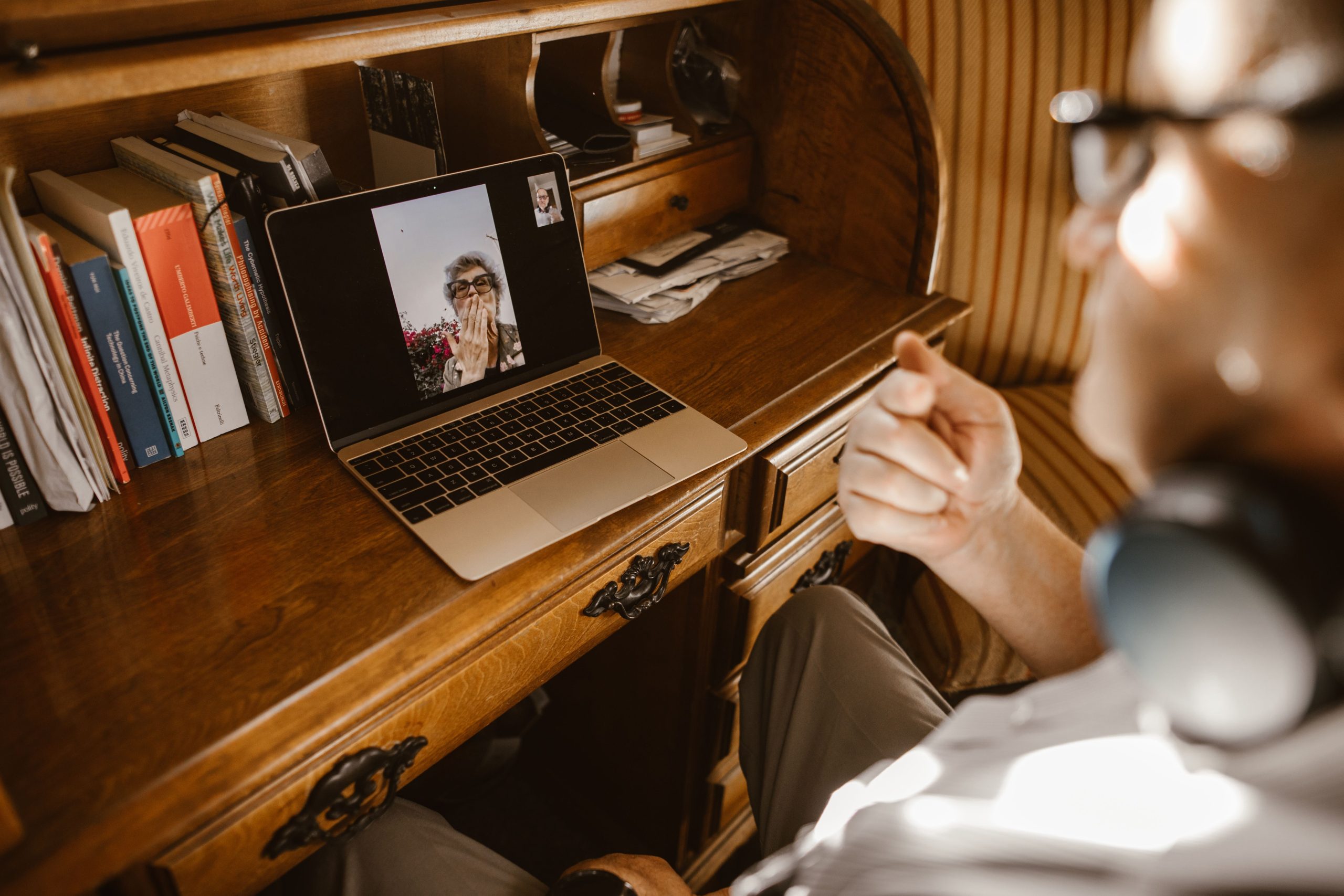
Give Important Conversations Enough Space
A rushed call from an airport gate is not the best place to discuss a major financial concern, a parenting disagreement, or a painful relationship issue. If a serious topic appears, acknowledge it and choose a better time.
You might say, “This matters, and I do not want to give you half of my attention. Can we talk after my meetings tomorrow when I have privacy?”
Postponing a conversation with a clear plan is different from avoiding it. The important part is returning to the issue when promised.
Make Appreciation Specific
Generic thanks can become easy to overlook. Specific appreciation shows that you understand what your partner is carrying.
The traveling partner might say, “I know you handled the school meeting and the broken appliance today. Thank you for taking care of both while I am away.”
The partner at home might say, “I know you traveled all morning and still made time to call before bed. I appreciate that effort.”
Appreciation does not erase exhaustion, but it prevents effort from becoming invisible.
Keep Decisions Shared Whenever Possible
The partner at home may need to make quick decisions alone, but frequent travel should not quietly turn one person into the permanent household manager. The traveling partner can still participate in planning, research, scheduling, and follow-up.
At the same time, the person away should avoid controlling every detail from a distance. If the partner at home is handling a situation directly, trust their judgment unless the decision has major shared consequences.
Staying involved means sharing responsibility, not supervising the person who is present.
A Simple Conversation Before a Work Trip
Imagine that one partner is leaving for four days during an already busy week.
Partner A: “I am worried this trip is leaving you with too much. What would make the week easier?”
Partner B: “The hardest part will be the two evening activities and getting everything ready for school. Could you prepare the bags before you leave?”
Partner A: “Yes. I can also order groceries tonight. My meetings end late on Tuesday, so I may not be able to call at the usual time.”
Partner B: “Please send a message if that happens. Silence makes me wonder whether something went wrong.”
Partner A: “I will. On Wednesday I can call before dinner and help our child review the school project by video.”
Partner B: “That would help. When you return, I would also like one evening where I do not have to manage the household.”
This conversation works because both partners discuss practical needs, emotional expectations, and the return home before the trip begins.
Let the Partner at Home Maintain Their Own Life
The person at home should not spend every evening waiting for a call or delaying plans in case the travel schedule changes. Friendships, exercise, hobbies, and rest remain important.
Make communication times clear enough that the partner at home can plan around them without putting life on hold. If a call must change, provide notice whenever possible.
Independence during travel is not emotional distance. It protects both partners from expecting one relationship to fill every empty hour.
Create Small Rituals Across the Distance
Rituals offer predictability when locations and schedules keep changing. The ritual does not need to be elaborate.
You might send a goodnight voice message, share one photo each day, listen to the same podcast during the week, or have coffee together on video before the day begins. A couple with children might keep one bedtime story for the traveling parent to read remotely.
Choose something easy enough to continue during stressful trips. A ritual that requires perfect timing will quickly become another obligation.
Talk Honestly About Loneliness and Jealousy
Business dinners, unfamiliar colleagues, and long periods apart can sometimes create insecurity. Avoid dismissing those feelings with “You should trust me” or answering every concern with defensiveness.
Trust is supported by predictable behavior. Be open about plans, communicate meaningful changes, and avoid creating unnecessary mystery. The partner at home should express concerns directly rather than testing, monitoring, or making accusations without evidence.
A useful sentence is, “I trust you, and I am feeling disconnected tonight. Could we make ten minutes to talk?” It names the real need without turning fear into blame.
Prepare for the Return Home
Reunions are often imagined as instantly happy, but both partners may return to each other tired. The traveler may need rest and time to unpack. The partner at home may desperately need relief and attention.
Discuss the first evening before the trip ends. Who needs a break first? Which responsibilities should the traveler resume immediately? Is there space for a quiet meal or a short walk together?
The goal is not a perfect reunion. It is a fair transition back into shared life.

Do Not Let the Traveler Become a Guest
When one person travels often, the partner at home may develop routines that work without them. This is understandable, but the traveler still needs a real role in household and family life.
After returning, resume ordinary responsibilities instead of waiting to be asked. Learn what changed during the trip, follow through on household tasks, and participate in decisions. Bringing gifts does not replace being a dependable partner.
The partner at home may also need to release some control. If only one person is allowed to know how everything works, resentment and disconnection will grow.
Protect Time That Is Not About Travel
Frequent trips can dominate every conversation. Before departure, the couple discusses travel. During the trip, they discuss schedules. Afterward, they discuss what happened while they were apart.
Make room for ordinary couple life. Watch something together, plan a local activity, talk about shared interests, or spend time without discussing airports and household logistics.
Your relationship needs experiences that are not defined by leaving and returning.
Common Mistakes to Avoid
Expecting Immediate Replies
Travel schedules can be unpredictable. Agree on reasonable response expectations instead of using message speed as proof of love.
Comparing Who Is More Tired
Exhaustion is not a competition. Recognize both the work trip and the workload at home.
Saving Every Complaint for the Reunion
Address important problems calmly during the trip when possible. A list of grievances at the door can make returning home feel unsafe.
Using Gifts to Replace Participation
A thoughtful gift is welcome, but it cannot substitute for shared responsibilities and emotional attention.
Assuming the Same Routine Fits Every Trip
A nearby overnight visit is different from a week across several time zones. Adjust communication and household plans to the actual trip.
Try This Before the Next Trip
Create a one-page travel plan with four sections: responsibilities at home, tasks handled from a distance, communication times, and the first evening after the return. Add one small connection ritual that both partners genuinely want.
Keep the plan simple. Its purpose is not to control the trip. It is to reduce uncertainty and make care visible.
The Bottom Line
Frequent work travel asks a couple to practice closeness without always sharing the same room. That requires more than regular calls. It requires practical teamwork, honest expectations, appreciation, and thoughtful transitions.
Plan household responsibilities before departure, choose a realistic communication rhythm, and leave room for emotional conversation. Let the partner at home maintain an independent life, and make sure the traveler returns as a participating member of the household rather than a guest.
Distance changes the shape of daily connection, but it does not have to weaken it. When both partners remain curious about each other’s experience and dependable in the responsibilities they share, the relationship can feel steady even while one person is often on the move.